APEX Implant-Free Rhinoplasty Using only autologous tissue instead of an artificial implant, it creates a well-defined nose line that looks naturally your own. As natural as the nose you were born with! Implant-free rhinoplasty is a surgical method that uses autologous tissue to create a natural, well-defined nose line. Because your own tissue is used, the feel is soft and natural, and once it takes it lasts semi-permanently and is resistant to external impact. Implant-free rhinoplasty is a good choice for those who are reluctant to use an artificial implant, or who have had an inflammatory reaction or thin skin through which an implant could show. A natural, beautiful nose line using only your own tissue (post-auricular fascia), with no foreign-body sensation or worry about side effects! The key is using the right amount in the right position, suited to the characteristics of the autologous tissue! APEX's implant-free rhinoplasty mainly uses post-auricular fascia among autologous tissues to raise the nose line naturally, adding dimension and safety for a natural nose line. The feel is also soft, and a lasting result can be expected once the graft takes.

APEX Implant-Free Rhinoplasty

using only your own tissue rather than artificial implants
Creates a high nose line that looks naturally your own.

Profile photo of a long-haired woman with bare shoulders gazing gently forward for the Implant-Free Rhinoplasty page header

original

Like my own nose

Naturally!

APEX PLASTIC SURGERY

APEX PLASTIC SURGERY

Prologue

Implant-free rhinoplasty uses your own tissue to create a natural, well-defined nose line. Because autologous tissue is used, it feels soft and natural, and once the graft has taken it can last semi-permanently and stands up well to external impact.
If you are uncomfortable with artificial implants, have had an inflammatory reaction, or have thin skin through which an implant could show, implant-free rhinoplasty is a good option.

With only your own tissue (postauricular fascia)

Without worrying about foreign-body feel or side effects

A natural, beautiful nose line!

Surgery time

1hr 30min~2hrs

Anesthesia

Sedation

Inpatient Care

Not required

Suture Removal

7 days later

In-clinic Treatment

2~3 times

Recovery Period

7~10 days later

Results may vary depending on the patient's condition and the surgical method.

APEX Implant-Free Rhinoplasty — the key is using the right amount in the right place, matched to the properties of each autologous tissue

Apex Motto

Different skills, different result

Apex plastic surgery is professional and experienced.Apex specializes in cosmetic surgeries including
eye surgery, nose surgery, face lifting & anti-aging, and breast surgery

to suit the properties of your own tissue
the right amount in the right place
how you use it is the key!

APEX Implant-Free Rhinoplasty is
Mainly using postauricular fascia among autologous tissues to raise the nose line naturally,
Creates a natural nose line with added definition and safety.
The feel is also soft, and once the graft takes, the effect is permanent.

A prohibition symbol placed over surgical instruments and a silicone nasal implant to illustrate Implant-Free Rhinoplasty

01

Minimizes side effects such as foreign-body feel and inflammation

Because no artificial implant is used, foreign-body sensation, inflammation and side effects are minimized, and
creates a natural nose line.

Implant-Free Rhinoplasty profile of a woman smiling brightly against a mint background, pointing at her natural nasal bridge with her finger

02

A soft feel and a natural shape

Using only autologous tissue for a soft feel and
completing a naturally shaped nose line.

Autologous tissues used for Implant-Free Rhinoplasty—costal cartilage, septal cartilage, and retroauricular fascia—displayed on a black background

03

Firm and long-lasting results

Once your own tissue engrafts, it resists external impact
Permanent surgical results can be expected.

Compare

Autologous tissue vs. synthetic implants

Learn the differences between autologous tissue and artificial implants to apply the right method.

Autologous Tissue
VS
Artificial implant
Raising the bridge and tip, or filling in thin skin and soft tissue, and so on
Can be used for various purposes
Indications
Used to raise the nasal bridge
Resistant to external impact after engraftment
External Impact
May shift position from an external impact
Almost none
Inflammation
Rarely occurs
Little foreign-body sensation or side effects, a natural feel, semi-permanent results
Pros
The nose can be raised easily and its shape is simple to design
Hard to process, and the available amount is limited per person
Cons
A foreign-body sensation may occur, and side effects are possible in rare cases

Implant

Types of autologous tissue

Learn about the types of autologous tissue; we use the one suited to your condition.

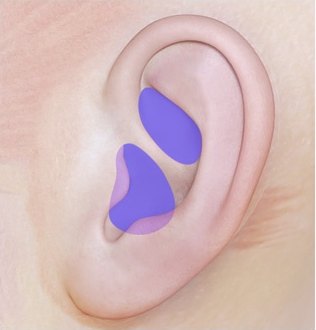
Illustration of an ear showing the harvest site of autologous ear cartilage used in Implant-Free Rhinoplasty marked in purple

Ear Cartilage

Cartilage harvested from the ear

The cartilage is shaped much like the nose, rounded and
Being resilient, it works well for building the tip structure
is easy, and the amount of septal cartilage
and when it is insufficient, for additional use
is suitable.

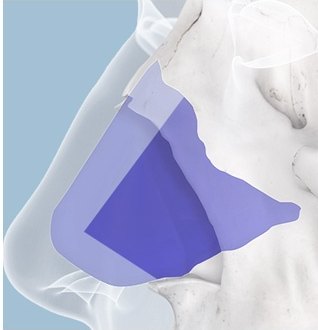
Anatomical diagram highlighting internal nasal cartilage and the nasal septum in purple to explain harvest and donor sites for Implant-Free Rhinoplasty

Septal Cartilage

Cartilage located in the center of the nose

The septal cartilage inside the nose is carved and
then the tip is raised or the nose length
mainly used for lengthening. The nose
Because it is harvested from inside, no separate
The advantage is that no incision is required.

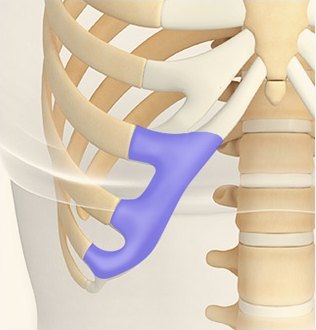
Rib cage skeletal diagram highlighting in purple the autologous costal cartilage harvest site used in Implant-Free Rhinoplasty

Rib cartilage (costal cartilage)

Cartilage harvested from the rib area

Costal cartilage from the lower ribs has almost no
with strong support and durability, and especially
A sufficient amount can be secured, so the functional
aspect and the aesthetic aspect alike
is a surgical material.

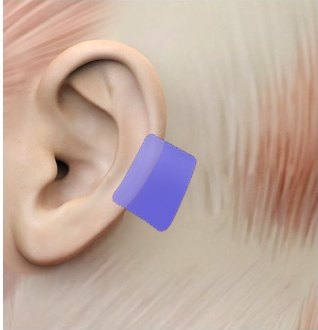
Ear anatomy diagram highlighting the retroauricular fascia harvest site in a purple square for Implant-Free Rhinoplasty

Postauricular Fascia

Uses the fascia behind the ear, the membrane covering muscle

mainly using fascia from behind the ear.
Wrapping the implant in fascia so that the implant and
One more fascial layer forms between the skin,
and is therefore used mainly when the skin is thin
is the material used.

Implant-Free Rhinoplasty female model with distinct facial features and nasal bridge looking forward against a beige background

Who?

APEX Implant-Free Rhinoplasty
Who is it right for?

Learn who is a candidate for APEX implant-free rhinoplasty.

  • 01If you want a natural, dimensional nose line
  • 02If you are reluctant to use artificial implants
  • 03If you worry about side effects such as infection or contracture
  • 04When you want a natural nose line
  • 05Wanting revision surgery due to inflammation or capsular contracture

Surgery

APEX Implant-Free Rhinoplasty Surgical Methods

How is APEX implant-free rhinoplasty performed?

Autologous dermis (fascia from behind the ear) is harvested. After being finely trimmed to suit the condition,
Inserted in the exact position to improve the shape of the nose.

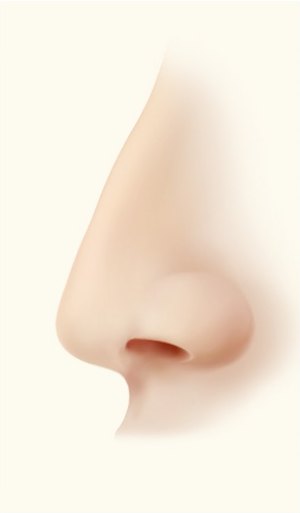
Profile illustration of a nose with a drooping nasal tip and a low nasal bridge explaining Implant-Free Rhinoplasty
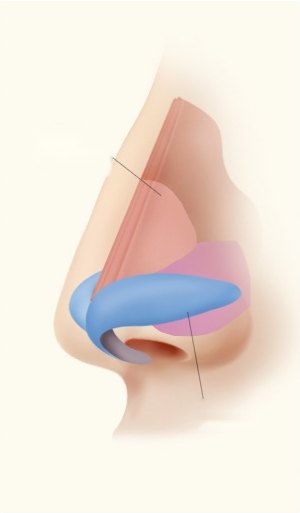
Lateral nasal anatomy illustration color-coding internal cartilage structures, such as the nasal septum and alar cartilage, for Implant-Free Rhinoplasty Nasal bone and
Upper Nasal Cartilage
Alar Cartilage
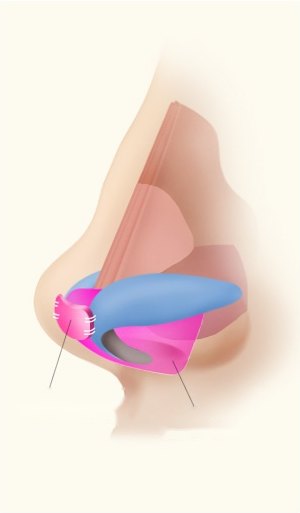
Side anatomical illustration showing cartilage grafting to the Nasal Tip and reinforcement of the columellar strut during Implant-Free Rhinoplasty Nasal tip cartilage graft Cartilage strut
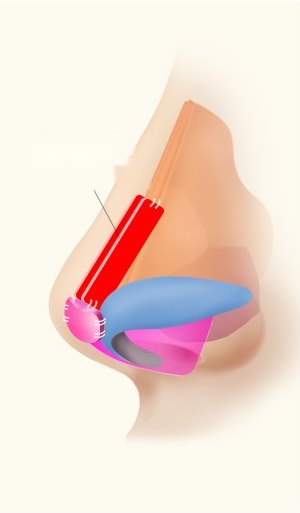
Cross-sectional view of the internal nasal structure showing autologous cartilage grafted and secured to the nasal bridge and Nasal Tip during Implant-Free Rhinoplasty Spreader graft
(Raising the lower bridge)

Before surgery

Drooping nasal tip

Alar cartilage dissection

Dissection of the alar cartilage at the tip

Cartilage Graft

Cartilage graft shaped to suit the condition

After surgery

Improved into a beautiful nose line

Female model with a well-defined nose line and elegant side profile featured on an Implant-Free Rhinoplasty banner

Apex Plastic SurgeryDifferent skills, different result

Without foreign-body sensation
natural and
A beautiful nose line!

  • # A naturally moving nose line
  • # A Defined Face
  • # Semi-permanent once the graft takes
  • # Low chance of inflammation or contracture

Seflie Review

Honest post-surgery stories shared by our patients

APEX CUSTOMER CENTER

Phone number :

02-3453-7907

Clinic Hours

Weekdays

AM 10 : 00 ~ PM 7 : 00

Saturday

AM 10 : 00 ~ PM 4 : 00

(Closed Sundays and holidays)

Subway Line 2, Yeoksam Station Exit 4, Hanjungang Building 3F

The two buildings are adjoined; please enter through the right-hand door.
(The right-hand building with KT on the 1st floor)

How do I make a reservation?

You can book by phone at our main number, 02-3453-7907.

Can I get a consultation in Japanese?

You can reach us via our official Instagram (@apexjapan_official) or X (@apex_surgery).

日本 SNS

CUSTOMER CENTER

02.3453.7907

TOP

APEX PLASTIC SURGERY

Members

Login

에이펙스성형외과 온라인 회원이 되세요.

Not a member yet?

Forgot your ID / password?