APEX Column
APEX Column
Brought to you by APEX Plastic Surgery
Explore plastic surgery insights and stories.
Plastic Surgery After the CSAT: 4 Things to Check Before Scheduling Surgery for Winter Break
Date : 2026-11-17
Views : 9
If you are considering eye or nose surgery during winter break after the CSAT, check the condition of your eyes and nose, your postoperative recovery schedule, and your operating surgeon before setting a surgery date. Before looking at discounted prices or celebrity photos, the first step is to evaluate during a consultation whether the surgery is truly necessary for you.
After the CSAT, an increasing number of students seek plastic surgery consultations ahead of winter break before entering college. While wanting to resolve long-held aesthetic concerns is natural, plastic surgery is a medical procedure, and surgical results last for a long time. To avoid making rushed decisions right after the exam, here are four things to check before scheduling surgery.

AI-generated image for illustrative purposes.
Post-CSAT Plastic Surgery: Check the Condition of Your Eyes and Nose Before Focusing on a Desired Shape
Many patients bring photos of celebrities or friends to their consultation. However, even if you want the same shape, the right surgical approach varies if the condition of your eyelids and nose is different.
Eyes should not be evaluated by double eyelids alone. If weak eye-opening muscles cause ptosis where the eyelid covers the pupil, ptosis correction may be considered; if severe epicanthic folds cover the inner corners of the eyes, canthoplasty may also be considered. The appropriate double eyelid surgery method also varies depending on eyelid skin thickness and the amount of fat.
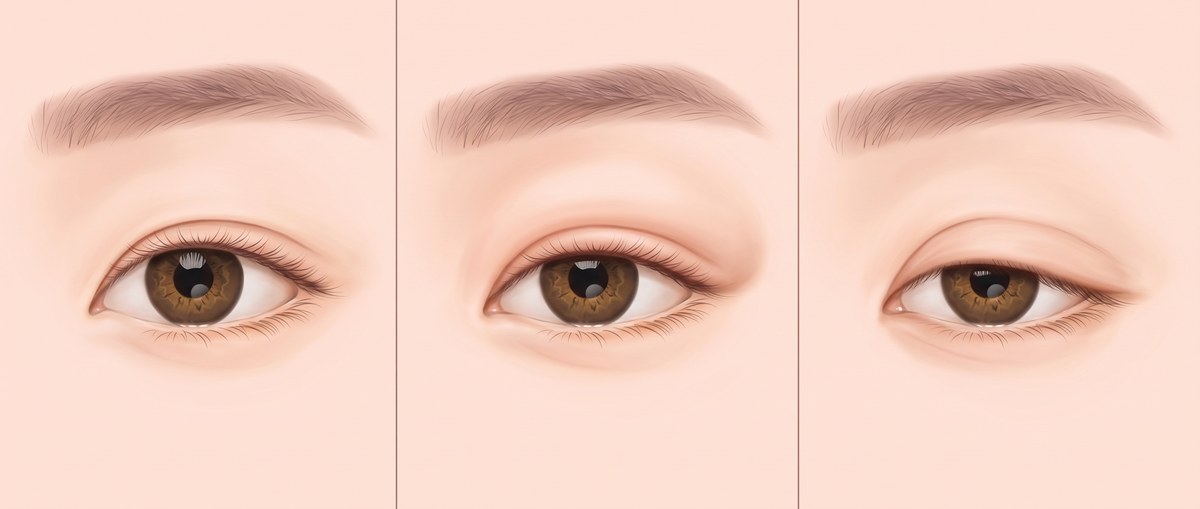
From left: thin eyelids, thick eyelids with excess fat, and eyelids with sagging skin covering the eyelashes. Even for double eyelid surgery, the considered method varies depending on the eyelid condition. This is an AI-generated image to aid understanding.
For the nose, the bridge, tip, and nostril shape differ for each person. While elevating the nasal bridge is sufficient for some noses, others require addressing the shape and length of the tip along with nostril exposure.
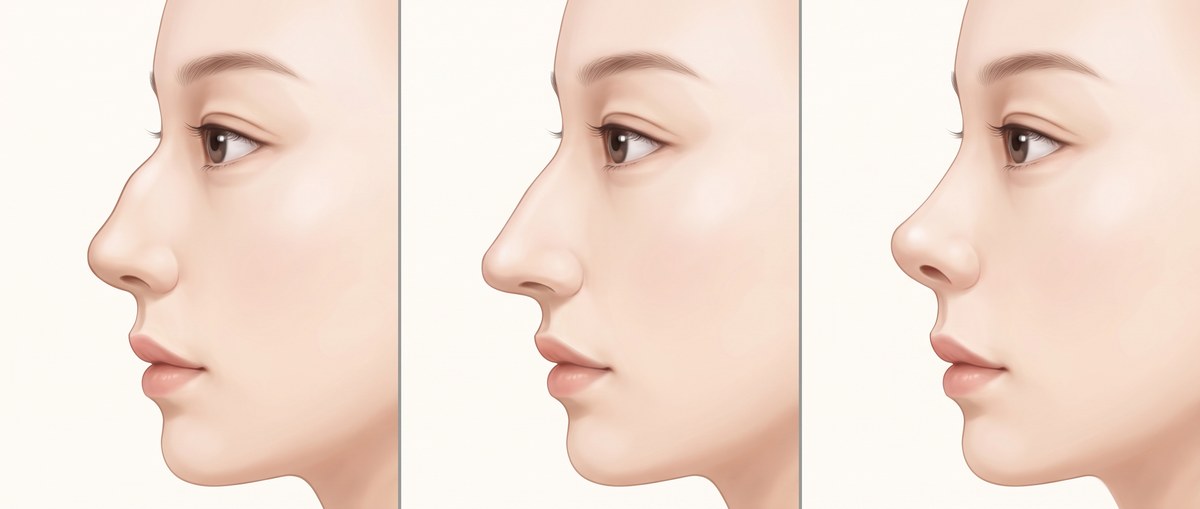
Three nose shapes viewed from the side. From left: a humped nose with a protruding bridge, a long nose with a drooping tip, and a short nose with an upturned tip showing the nostrils. This is an AI-generated image to aid understanding.
Surgical methods based on eyelid condition are covered in our Double Eyelid Surgery Methods Column, and surgical differences based on nose shape are detailed in our Rhinoplasty by Nose Shape column.
Here is the key point — Even if you desire the same shape, the right surgical approach differs if the condition of your eyelids and nose is different, so you should examine your facial features before looking at photos.
Plan Your Winter Break Surgery Schedule by Counting Backward from the Recovery Period
Surgery dates should be determined by counting backward from major events such as entrance ceremonies or freshman orientations. This is because you must revisit the clinic for stitch removal and follow-up checks after surgery, and you need a recovery period before returning to daily life.
- Non-Incisional Double Eyelid — Surgery time approx. 30 minutes, stitch removal not required or within 1–5 days, 1–2 clinic visits, recovery period approx. 3–5 days
- Incisional Double Eyelid — Surgery time within 1 hour, stitch removal after 5 days, 1–2 clinic visits, recovery period approx. 5–7 days
- Incisional Ptosis Correction — Surgery time 1 hour to 1 hour 30 minutes, stitch removal after 5 days, 1–2 clinic visits, recovery period approx. 5–7 days
- Canthoplasty — Surgery time approx. 30 minutes, stitch removal after 5 days, 1–2 clinic visits, recovery period approx. 7 days
- Rhinoplasty (Low Nose / No-Implant) — Surgery time 1 hour 30 minutes to 2 hours, IV sedation, stitch removal after 7 days, 2–3 clinic visits, recovery period approx. 7–10 days
APEX Plastic Surgery's Non-Incisional Double Eyelid·Incisional Double Eyelid·Incisional Ptosis Correction·Canthoplasty·Low Nose Rhinoplasty·Implant-Free Rhinoplasty guidelines. The actual method and schedule are determined after an examination.
The recovery period refers to the time required to return to daily activities. Because the rate at which swelling and bruising subside varies from person to person, leave plenty of time rather than scheduling surgery immediately before an important event. Combining two or more procedures may alter the timeline, so the schedule should be planned together during consultation based on the surgical scope.

This is the recovery room at APEX Plastic Surgery.
Confirm That the Doctor Who Consults You Performs the Surgery Directly
When choosing a clinic, check whether the operating surgeon is a board-certified plastic surgeon and whether the consulting doctor performs the surgery directly. Under current medical law, any licensed physician can perform plastic surgery regardless of specialty, so it is advisable to verify board certification yourself.
During the consultation, receive thorough explanations not only about surgical methods, but also about potential postoperative side effects, the recovery process, and aftercare. Ask all your questions before surgery, and make your decision only after receiving sufficient explanation.

This is the consultation room at APEX Plastic Surgery.
Many students who took the CSAT are not yet 19 years old. For minors under 19, parental or guardian consent is required for surgery, so it is best to attend the consultation together with a guardian.
Focus on What You Truly Need Rather Than Discounts or Trends
Around the time the CSAT ends, many advertisements promote student discounts and package deals. However, deciding on surgery solely based on price or trends can lead to procedures that do not suit your face.
Plastic surgery is difficult to reverse, and revision surgery requires significantly more time and cost. Therefore, discuss during consultation whether a procedure is genuinely necessary now or can be decided on later.
Botox or Filler , injectable treatments like these are also medical procedures. Even seemingly simple procedures should be decided after examination and consultation.
Please keep in mind — Potential complications after surgery may include bleeding, infection, inflammation, scarring, and asymmetry. Injectable procedures can also cause bruising, swelling, and pain. Swelling, bruising, the recovery process, and overall progress vary from person to person. Detailed precautions will be explained during your consultation.
Consider Both Your Current Appearance and Your Post-Surgery Look
“Plastic surgery is not a shopping item that can be returned or thrown away if the size doesn’t fit after purchase. Rather than being swayed by discounted prices or sweet promises of making you look like a celebrity, it is crucial to carefully consider your current appearance and how you will change after surgery, and consult with a board-certified plastic surgeon.” — Lead Surgeon Song Hyun-seok
“No matter how minor a procedure may seem, plastic surgery falls under medical practice, so it is essential to consult thoroughly with professional medical staff beforehand. After determining whether the surgery is truly necessary for you, you must carefully evaluate the clinic’s expertise and make sure the operating surgeon is a highly experienced plastic surgery specialist.” — Lead Surgeon Song Hyun-seok
Frequently Asked Questions
Can I have surgery right after the CSAT?
Rather than simply having finished the CSAT, the primary criteria are the condition of your eyes and nose, your recovery schedule, and your overall health. First, confirm during consultation whether the surgery is truly necessary, and then set a surgery date aligned with your schedule before college begins. For minors under 19, parental or guardian consent is required.
Is winter better for recovery after surgery?
Some people find it easier to care for the surgical site in winter because they sweat less. However, what is far more important than the season is keeping your suture removal and follow-up visit appointments, and keeping the surgical area clean.
Can I recover before school starts?
Based on APEX Plastic Surgery guidelines, recovery takes about 3 to 7 days for eye surgery and about 7 to 10 days for rhinoplasty. However, because swelling and bruising subside at different rates for each individual, allow plenty of time rather than scheduling your surgery right before an entrance ceremony or orientation.
Can I bring celebrity photos?
They can serve as a helpful reference when explaining your desired aesthetic. However, whether that same shape suits your face and whether it is achievable given the condition of your eyelids and nose will be determined after an examination.
Do injectable treatments like Botox or filler also require a consultation?
Injectable treatments are also medical procedures, so they are decided upon through an examination and consultation. The injection areas and dosages are determined based on your facial anatomy.
Plastic surgery after the CSAT should be decided based on your face and recovery schedule
What we examine first during consultation
- Eyes — Eyelid skin thickness and amount of fat, eye-opening muscle strength (ptosis), epicanthal folds
- Nose — Shape of the nasal bridge, tip, and nostrils
- Whether the surgery is truly necessary — Procedures to undergo now versus those that can be decided later
- Recovery timeline — Suture removal and clinic visit dates, schedule before school starts
- Guardian consent — Whether patients under 19 attend consultations with a guardian
- Facial harmony — Whether the shape harmonizes with facial proportions and features
At APEX Plastic Surgery, board-certified plastic surgeon Dr. Song Hyun-seok provides all consultations and treatments.
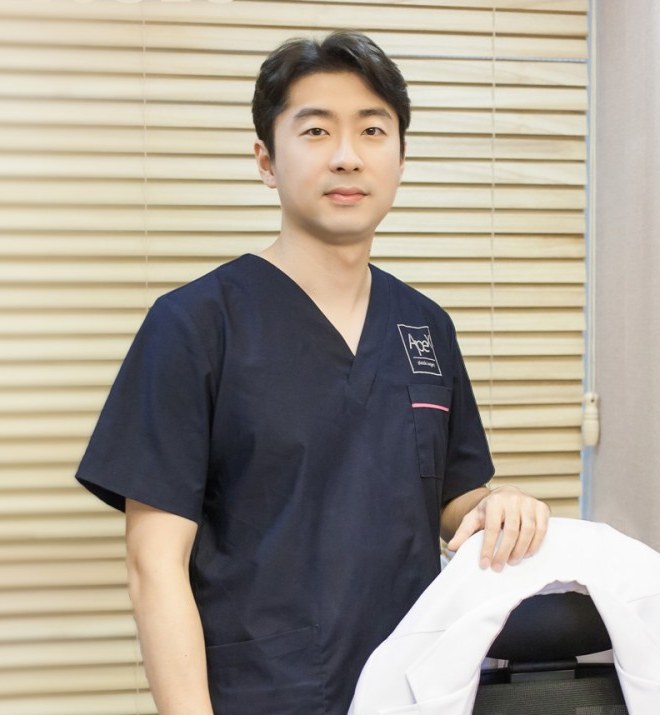
Song Hyun-seok, Head Director · Board-Certified Plastic Surgeon, Ph.D.
This post is intended to provide medical information and does not guarantee specific treatment results or replace an examination by medical professionals. The featured image and illustrations of eyelid and nose shapes are AI-generated images for illustrative purposes and do not depict real persons; photos of the recovery room and consultation room are interior photos of APEX Plastic Surgery. None of the images in this article are before-and-after comparison photos. Information regarding surgical time, anesthesia, suture removal, clinic visits, and recovery period is based on procedure guidelines on the APEX Plastic Surgery website and may vary by individual. Potential general complications following surgery, such as bleeding, infection, and inflammation, may vary in severity by individual, so caution is advised. Please undergo thorough consultation, explanation, and consent prior to surgery.
Medical review: Song Hyun-seok, Director (Board-Certified Plastic Surgeon) · 2026.11.13
APEX CUSTOMER CENTER
Phone number :
02-3453-7907
Clinic Hours
Weekdays
AM 10 : 00 ~ PM 7 : 00
Saturday
AM 10 : 00 ~ PM 4 : 00
(Closed Sundays and holidays)
Subway Line 2, Yeoksam Station Exit 4, Hanjungang Building 3F
The two buildings are adjoined; please enter through the right-hand door.
(The right-hand building with KT on the 1st floor)
How do I make a reservation?
You can book by phone at our main number, 02-3453-7907.
Can I get a consultation in Japanese?
You can reach us via our official Instagram (@apexjapan_official) or X (@apex_surgery).
日本 SNS

Clinic Name : APEX Plastic Surgery
Address : 3F Hanjungang Bldg., 139-1 Teheran-ro, Gangnam-gu, Seoul (646-7 Yeoksam-dong)
CEO : Song Hyun-seok Business Registration No. : 220-10-15955 TEL : 02-3453-7907 FAX : 02-3453-7908
Copyright ⓒ 2026 APEX Plastic Surgery. ALL Rights Reserved.
Apex
[Summit, top]
APEX means ‘the summit,’ ‘the very top.’
with the finest medical technology and a systematized surgical process
our commitment to uncovering the hidden beauty unique to each patient
It embodies the spirit of APEX Plastic Surgery.


